
Learn About Kratom
Plain-language information on kratom, product formats, lab testing, and how online ordering and local pickup work. This content is educational and is not medical advice.
What is Kratom?
Kratom (Mitragyna speciosa) is a tropical tree in the coffee family, native to Southeast Asia. Its leaves contain alkaloids, most notably mitragynine and 7-hydroxymitragynine.
Kratom has a history of traditional use in Southeast Asia. Today it is sold in the United States to adults, but research on its effects and safety is limited and ongoing. It is not an FDA-approved drug.
Naturally Nurtured sells kratom powders and capsules online and provides lab testing information. We focus on clear product information and responsible-use guidance.

Powder vs. Capsules
Naturally Nurtured sells kratom in two formats. The plant material is the same; the difference is how it is packaged and measured.
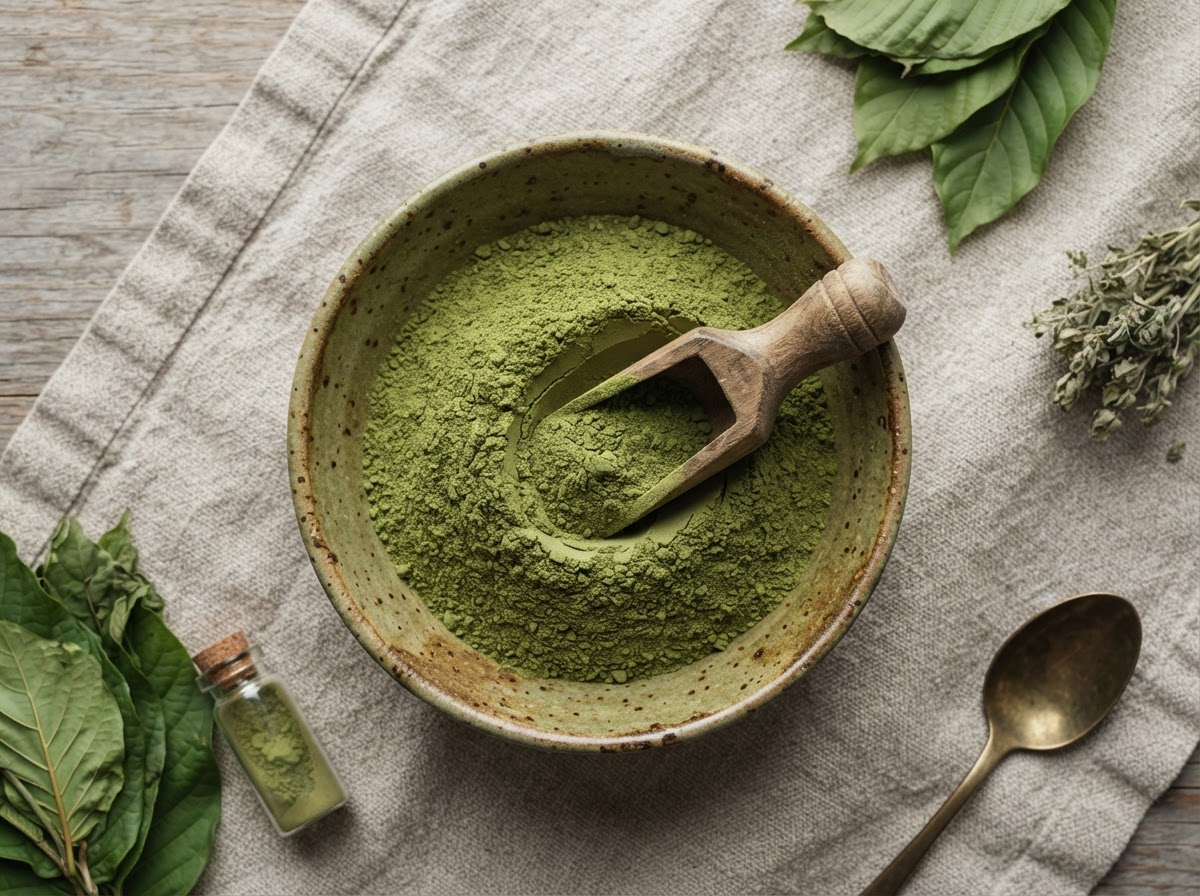
Kratom Powder
Raw ground kratom leaf. A versatile format that can be mixed into beverages. Serving size is measured by the user, so accuracy depends on the customer.
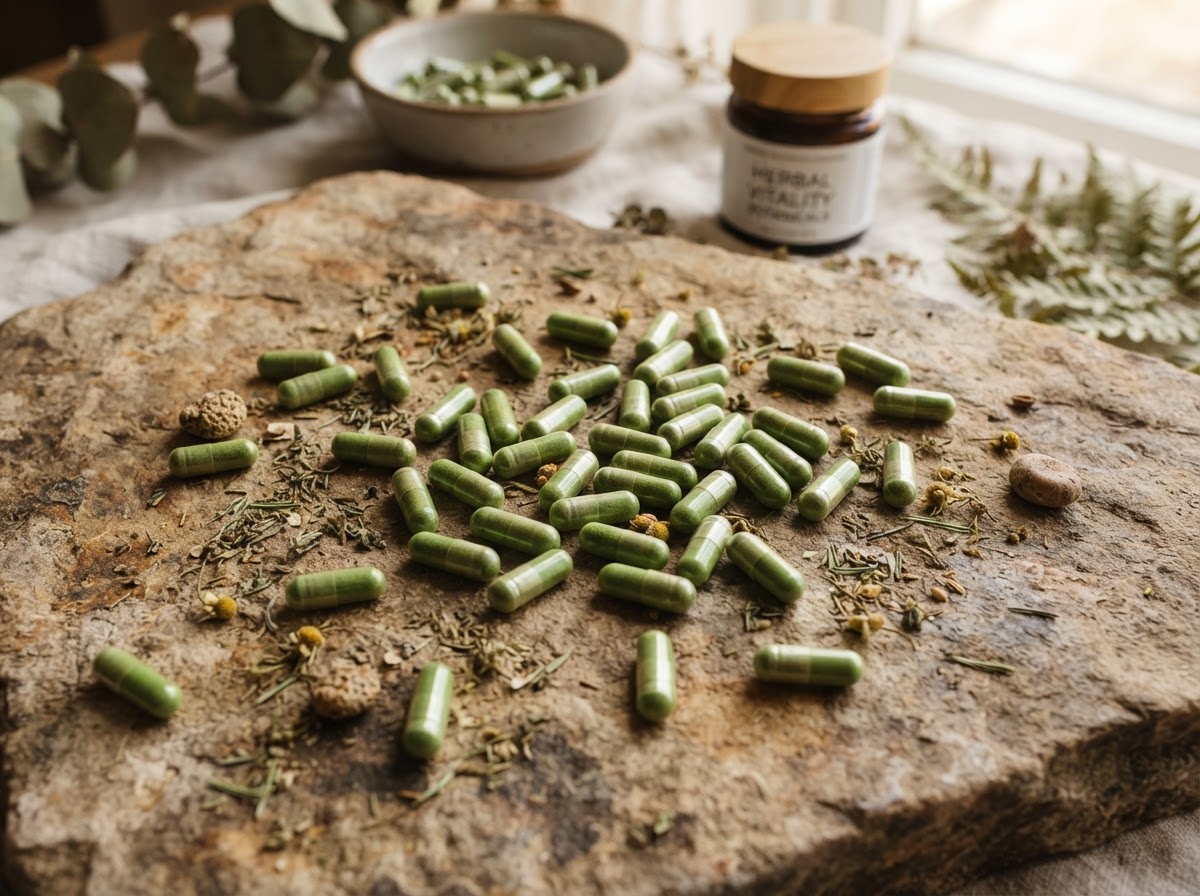
Kratom Capsules
Kratom powder in pre-measured capsules. Each capsule contains a stated amount of powder, which makes per-serving measurement more consistent than loose powder.
Understanding Kratom Strains & Colors
Kratom is commonly labeled by vein color and origin. These are product labels, not guarantees of effect. Customer-reported experiences vary and are not a substitute for research. Every strain is available in Red, White, and Green. Here's a sample of our range.
Red Vein Kratom
Named for red-veined leaves. Like all vein colors, this is a labeling convention. Customer-reported experiences vary widely and are not a substitute for research or professional guidance.
Green Vein Kratom
A category of kratom leaf named for the green color of its leaf veins. Vein color and origin are ways the market labels products; they are not a reliable guide to effects, which are not established by research.
White Vein Kratom
Named for white-veined leaves. Vein color does not guarantee a particular effect. Treat strain and color names as product labels, not as promises of outcome.
Blended Kratom
Products that combine multiple strains into one package. A blend is a format choice, not a guarantee of a particular experience.
Topics to Explore
How to read a Certificate of Analysis
What a COA reports: product and batch identification, laboratory information, test results, and pass/fail summary, and how to match it to your packaging.
What batch testing measures (and its limits)
Common test panels cover alkaloids, heavy metals, and microbes for a specific batch. Testing does not prove safety for all uses or that a product is risk-free.
Understanding product labels and batch numbers
Batch or lot numbers let you request the matching COA. Keep your packaging so you can reference the batch if you have a question.
What research does and does not establish
Research on kratom is limited and ongoing. Traditional use and customer reports are not the same as clinical evidence. Avoid treating strain names as effect guarantees.
Risks, interactions, and when to seek guidance
Kratom may interact with medications and carries dependence risk with regular heavy use. Consult a licensed healthcare professional before use, especially if you take medications or have a health condition.
Powder vs. capsules: ingredients, format, labeling
Both are the same plant material. Powder is loose leaf; capsules are pre-measured powder in a shell. Labels should state net weight and batch number.
How Ordering & Pickup Work
How online ordering & shipping work
Browse products, place and pay for your order online, and choose shipping to eligible U.S. destinations where kratom is legal.
How local pickup works
Order online, then collect at our partner location in Henderson, NV. Wait for your order completed email before traveling.
Further Reading
These organizations publish information on kratom. We link to them as general background and do not endorse every statement on third-party sites.
A Note on Wellness Claims
Naturally Nurtured does not make medical claims about our products. These products are not intended to diagnose, treat, cure, or prevent any disease. This page is educational and is not medical advice. Always consult a licensed healthcare professional before starting any new supplement.